Emerging Technologies Empower the Whole Chain of Drug R&D Digital and Smart Biotechnology Forum Concludes Successfully
2026-04-13 14:21
October 26, 2025, the Digital and Smart Biotechnology Forum of the 10th China BioMed Innovation and Investment Conference (CBIIC) was successfully held. The forum focused on the in-depth integration of cutting-edge technologies including artificial intelligence, digital therapeutics, multi-omics, and big data with key links in new drug R&D such as drug discovery, clinical research, and regulatory submission, exploring new pathways for emerging technologies to empower the full chain of drug development.
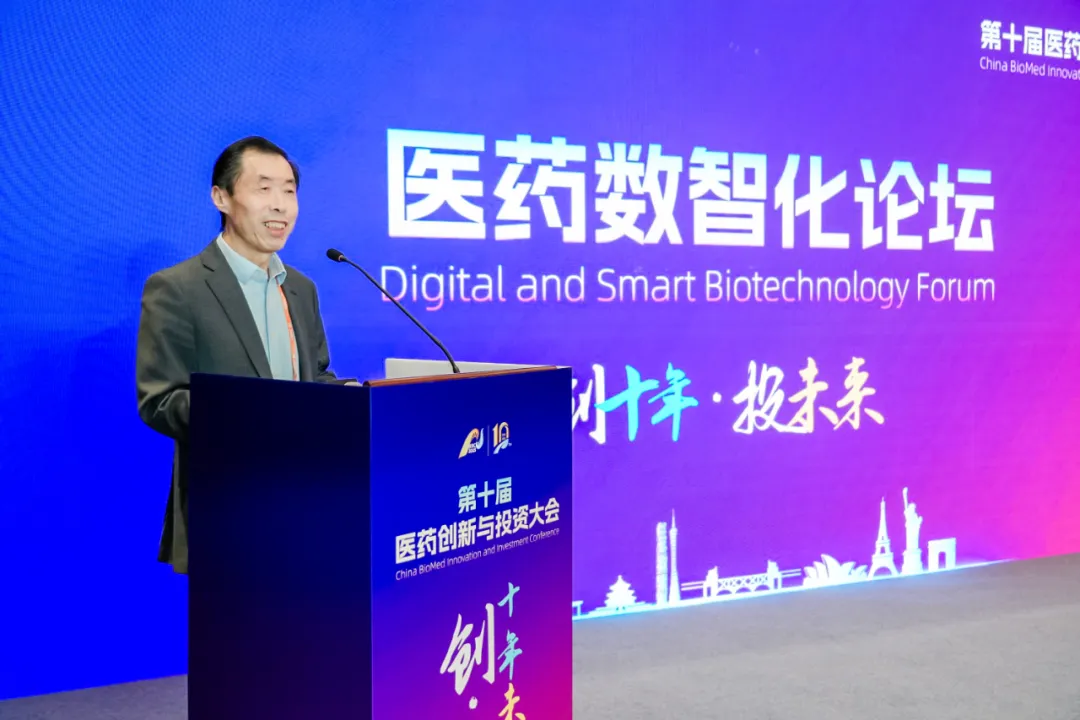
James YAN, COO, Global R&D, Zai Lab served as the moderator of the forum.
Dr. SONG Yunlong, VP of Preclinical Division, CSPC; GM, Shanghai InnovStone, shared a series of explorations on AI technologies in the R&D of small-molecule innovative drugs. He noted that with the rapid advancement of artificial intelligence in recent years, generative AI is reshaping the global landscape of drug research and development. AI-Driven Drug Design (AIDD) refers to the use of artificial intelligence to accelerate and optimize the drug discovery process. Combining machine learning, deep learning, computational chemistry, bioinformatics and other disciplines, AIDD enables researchers to design and screen potential drug molecules more efficiently, greatly improving the success rate and shortening the timeline of drug development. Compared with traditional drug discovery, AIDD offers distinct technological advantages and plays a powerful role in multiple fields including target structure prediction, molecular generation and screening, synthetic route prediction, and ADMET prediction. Modern drug R&D is rapidly advancing from a new paradigm driven by AI modeling, automated experimentation and expert collaboration toward a new era led by AI. In the near future, with continued progress in AI technologies, especially breakthroughs in computing power, algorithm optimization and data sharing, the potential of AI in drug discovery will be further unlocked, creating greater opportunities for innovation.
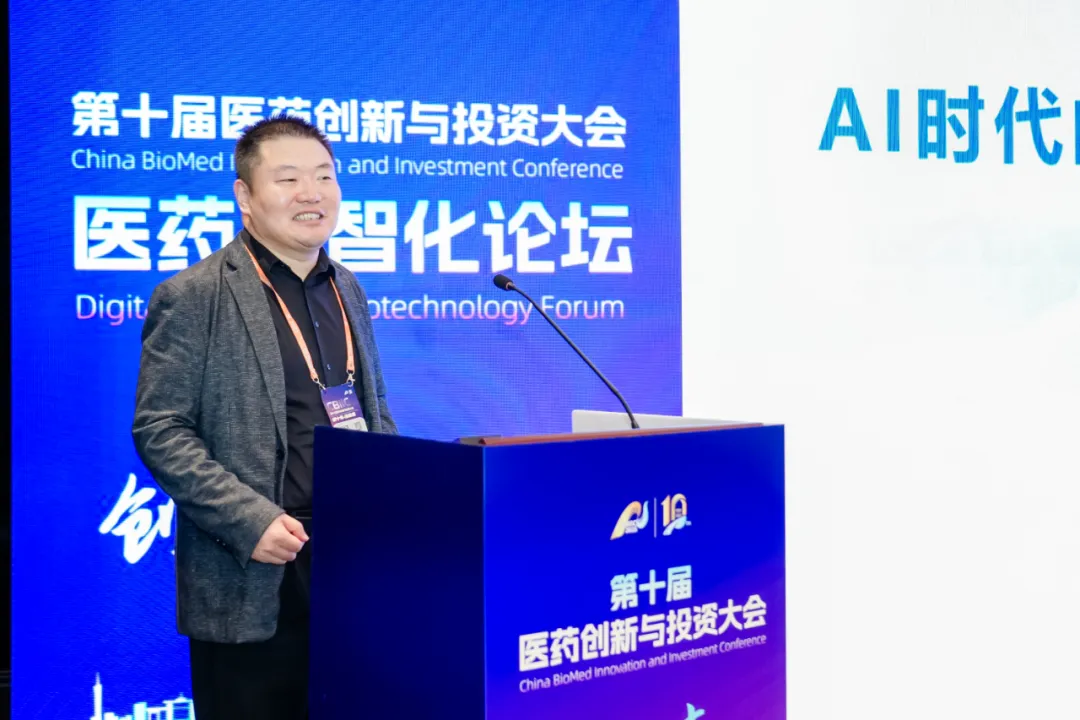
Dr. SONG Yunlong delivered keynote speech
Dr. LIN Shiqin, Chairman, Caetar (Nanjing) Technology Co., Ltd., shared explorations on how intelligent full-process management of disease enables the coordinated development of digital and smart biotechnology. Dr. Lin pointed out that the lack of a closed-loop patient service system outside hospitals is a key bottleneck leading to the strain on medical resources in China. Establishing an intelligent whole-course management platform connecting discharged patients with hospitals to realize full intelligent services covering pre-hospital, in-hospital and post-hospital stages can not only rationally allocate China’s high-quality medical resources and effectively alleviate the difficulty of patients in accessing medical care, but also facilitate real-world research.
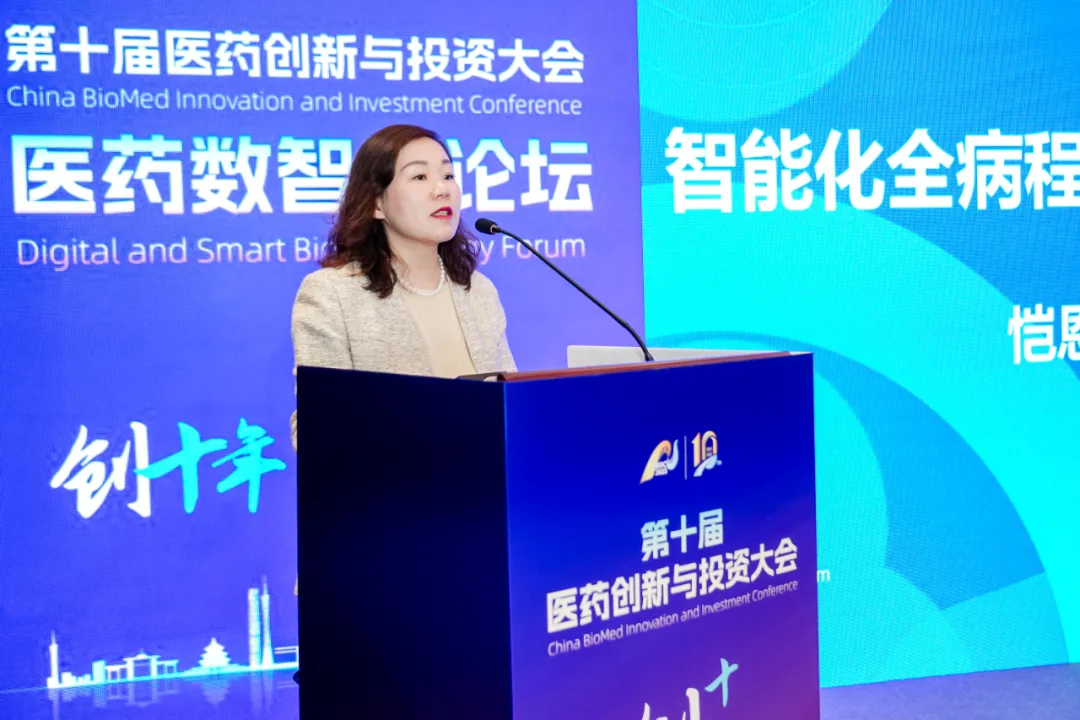
Dr. LIN Shiqin delivered keynote speech
Dr. Judy XUE, Global Marketing Head, Quintara Biosciences, shared with the participants the practical applications of nanopore sequencing technology in biologic drug R&D. Dr. Xue noted that nanopore sequencing identifies base sequences by detecting changes in electric current when nucleic acid molecules (DNA or RNA) pass through nanoscale pores. Different bases, with their unique molecular structures and charge properties, produce characteristic perturbations in the ionic current within the nanopore, which are captured in real time as “current fingerprints.” These are then decoded by algorithms into accurate nucleic acid sequence information. Nanopore sequencing can be effectively applied to the innovative R&D of biologic drugs across multiple stages, including target discovery and validation, antibody screening and optimization, preclinical research, clinical trials, as well as production and quality control. Currently, nanopore sequencing technology faces significant opportunities and challenges in technology, cost, and standardization of applications. With the continuous advancement of nanopore sequencing, it will provide broader intelligent solutions for innovative drug R&D.
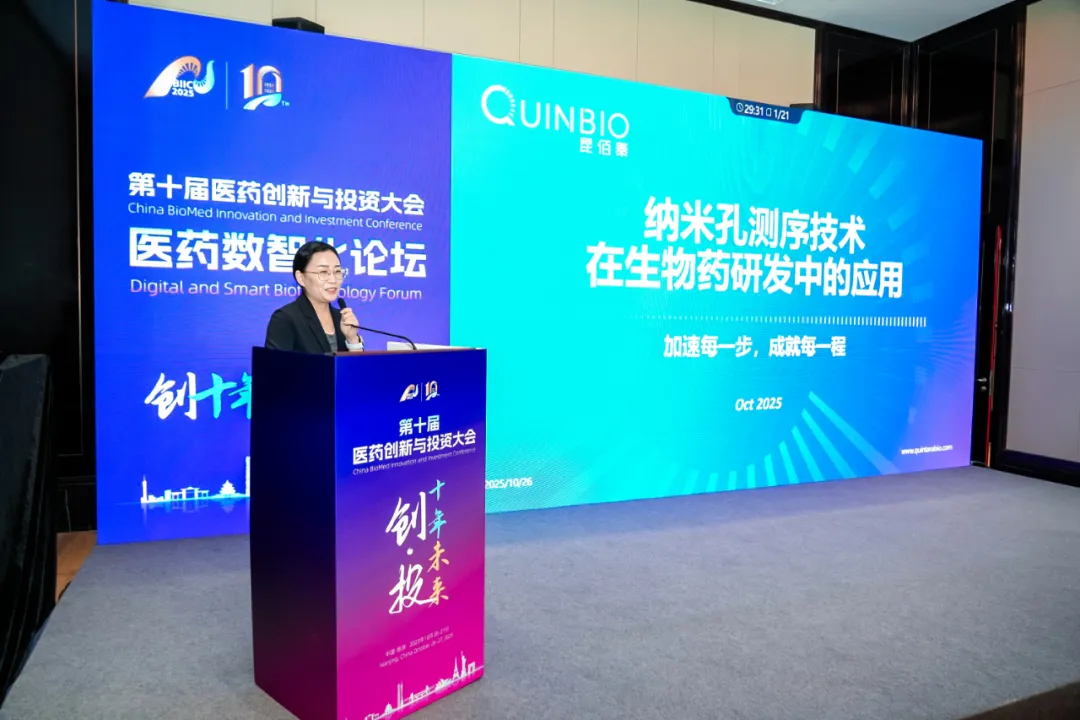
Dr. Judy XUE delivered keynote speech
Dr. CHEN Xun, Director of the AI-aided Drug Discovery Center, Nanjing Medical University, shared with the attendees the applications and prospects of AI in drug design. Dr. Chen noted that traditional drug R&D faces three major challenges: high investment, long cycle, and low success rate. The core risk lies in the critical stage from “target identification to clinical validation”. The lack of early prediction and data support often leads to high-cost and late-detected failures. The explosive growth of medical data has provided AI with multi-modal, structured, and cross-scale learning materials. New-generation model architectures have endowed AI with stronger understanding and generation capabilities. Dr. Chen specifically introduced the practices and applications of models including multi-omics, AlphaFold2, DTA, DynamicBind, Deep-PK, Alphafold3, RosettaFold, and ESMfold in target prediction, virtual screening, AI-based peptide and antibody design. He expressed confidence that with the continuous development of emerging technologies, AI is evolving from a passive analytical assistant to an active “generative engine” in innovation.
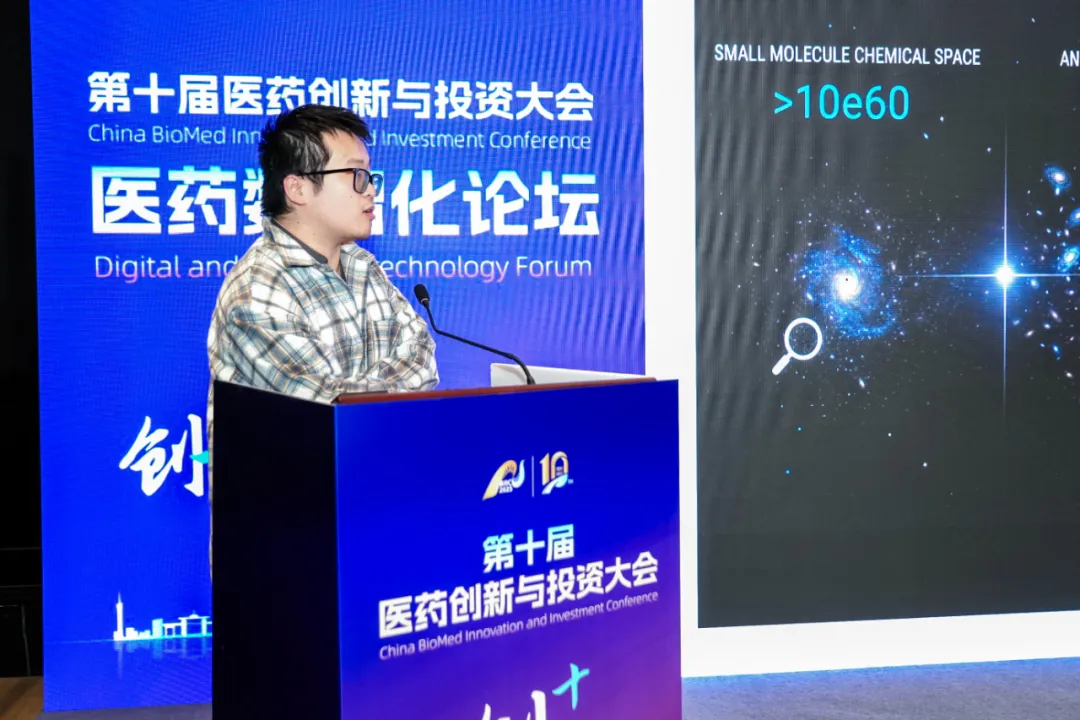
Dr. CHEN Xun delivered keynote speech
XIE Kehui, Board Secretary of SysDiagno Biotech, shared with the participants explorations on innovative glycomics breakthroughs in drug development and clinical applications. He pointed out that glycomics is the discipline studying the structure and function of glycans. More than 70% of proteins in serum are conjugated with glycans, which represent the “third chain of life” beyond nucleic acids and proteins. The genome, proteome, and glycome narrate the story of life from three distinct dimensions. He detailed the practices and applications of the glycan detection platform GlyFace® and the glycomics data analysis platform GlySeer® in early screening and diagnosis, personalized therapy, and drug research and development. With the continuous advancement of glycomics-related technologies, they will exert a profound impact on multiple areas in the future, including disease prevention, diagnosis, treatment, screening, evaluation, validation, and health management.
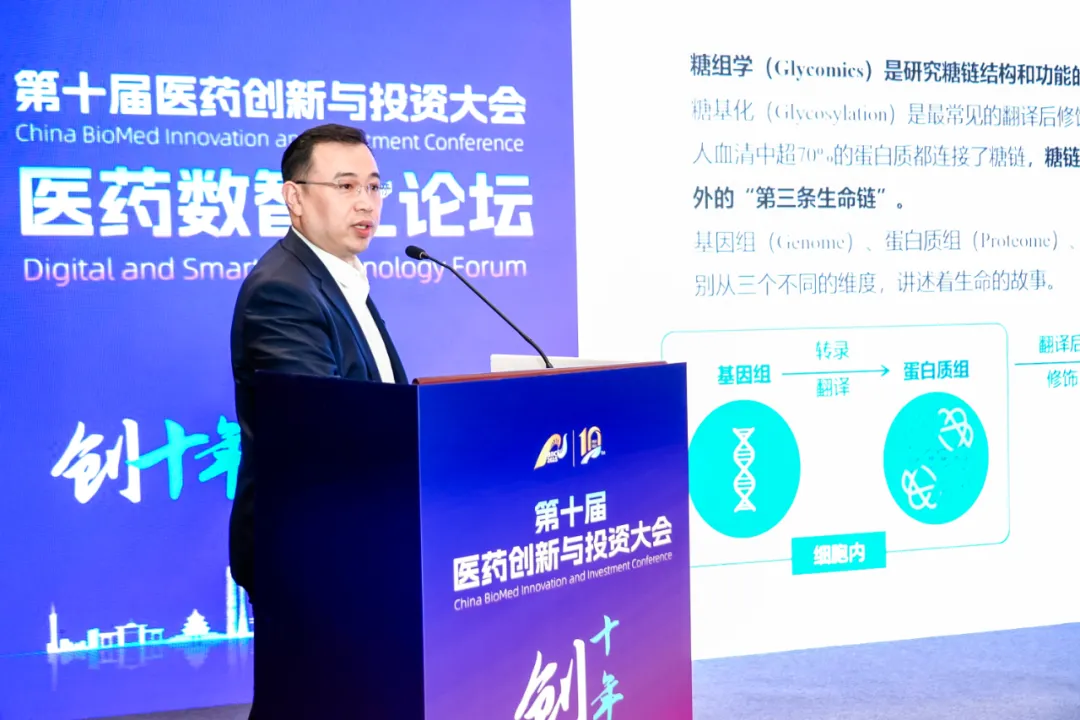
Mr. XIE Kehui delivered keynote speech
Dr. HAN Xiaomei, Founder and Chief Executive Officer, Kuoyue Biotech Co., Ltd. shared with the participants FDA’s regulatory practices and philosophies in a presentation entitled “Drug Regulation in the Age of AI: FDA’s Policies, Frameworks, and Practices”. Dr. Han noted that with the rapid development and wide application of artificial intelligence technologies, AI-related submissions received by the FDA have been increasing sharply. A thorough understanding of the latest AI policies may enable drugs to enter the expedited approval pathway. Dr. Han elaborated on FDA’s distinct regulatory policies and philosophies at the early research stage, preclinical stage, and clinical research stage, as well as case studies on FDA’s seven-step AI credibility assessment.
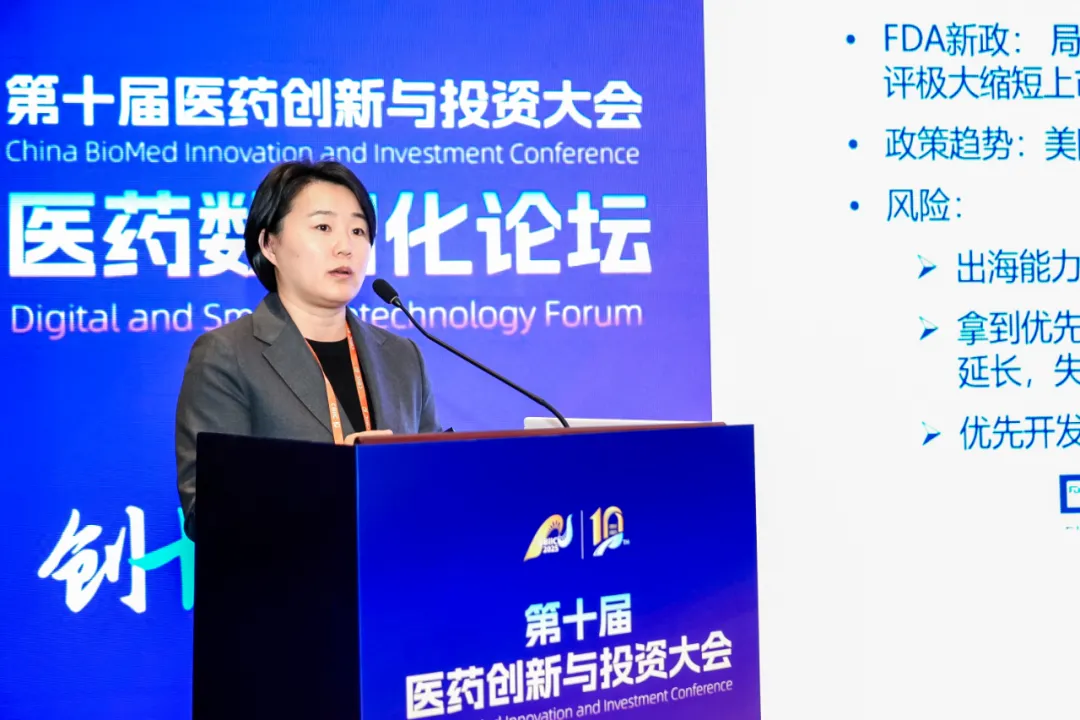
Dr. HAN Xiaomei delivered keynote speech
Dr. YAN Fangrong, Director of the Department of Biostatistics, College of Science, China Pharmaceutical University, delivered a keynote speech entitled “Digital Twin: Opportunities and Challenges of Virtual Clinical Trials”. Dr. Yan pointed out that a digital twin in clinical trials refers to a virtual representation of a patient in clinical research, whose characteristics are derived from longitudinal data of real patients. With digital twins, realistic clinical patient trajectories can be generated. Theoretically, digital twins can support clinical decision-making by predicting the effects of different treatments—including standard therapy or placebo—on individual patients or larger populations. Clinical digital twins can be implemented through various approaches, including mechanistic modeling and artificial intelligence modeling. They can help reduce lengthy recruitment processes, optimize inclusion/exclusion criteria, create synthetic control arms, and assist investigators in optimizing decisions.
At present, digital twins have been applied in some clinical trial submissions, and both the EMA and the FDA have issued relevant policy support and guidance recommendations for digital twins. It is believed that in the near future, digital twins will be widely applied in more areas such as overcoming the limitations of RCTs, accelerating early-stage dose-finding studies, supporting decision-making from Phase II to Phase III, addressing challenges in rare disease research, and enabling quantitative pharmacology.
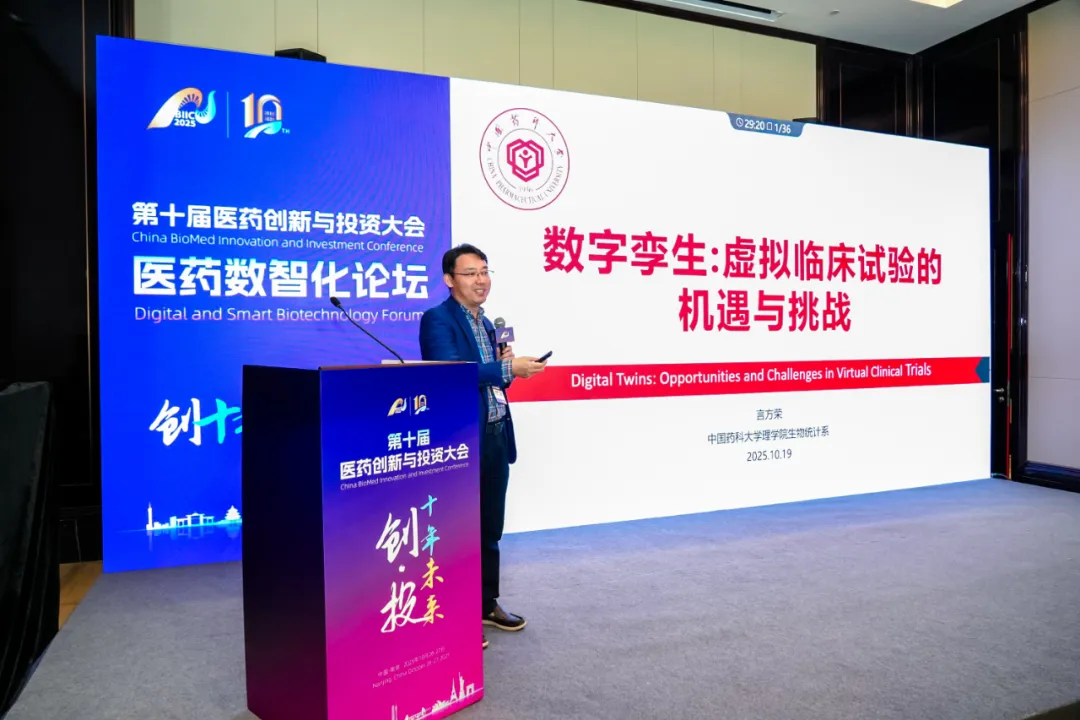
Dr. YAN Fangrong delivered keynote speech
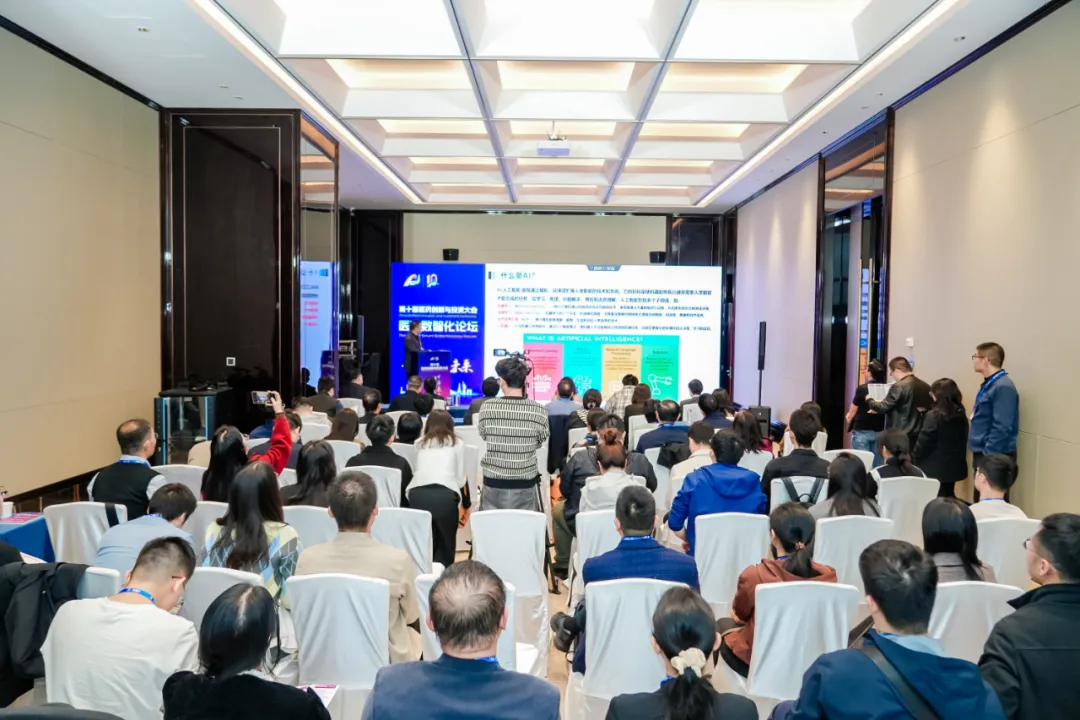
Digital and Smart Biotechnology Forum
 会议咨询
商务合作
媒体合作 路演联系人
会议咨询
商务合作
媒体合作 路演联系人
© 版权所有 中国医药创新促进会 京ICP备11012814号-1